Cart
0
You may also like
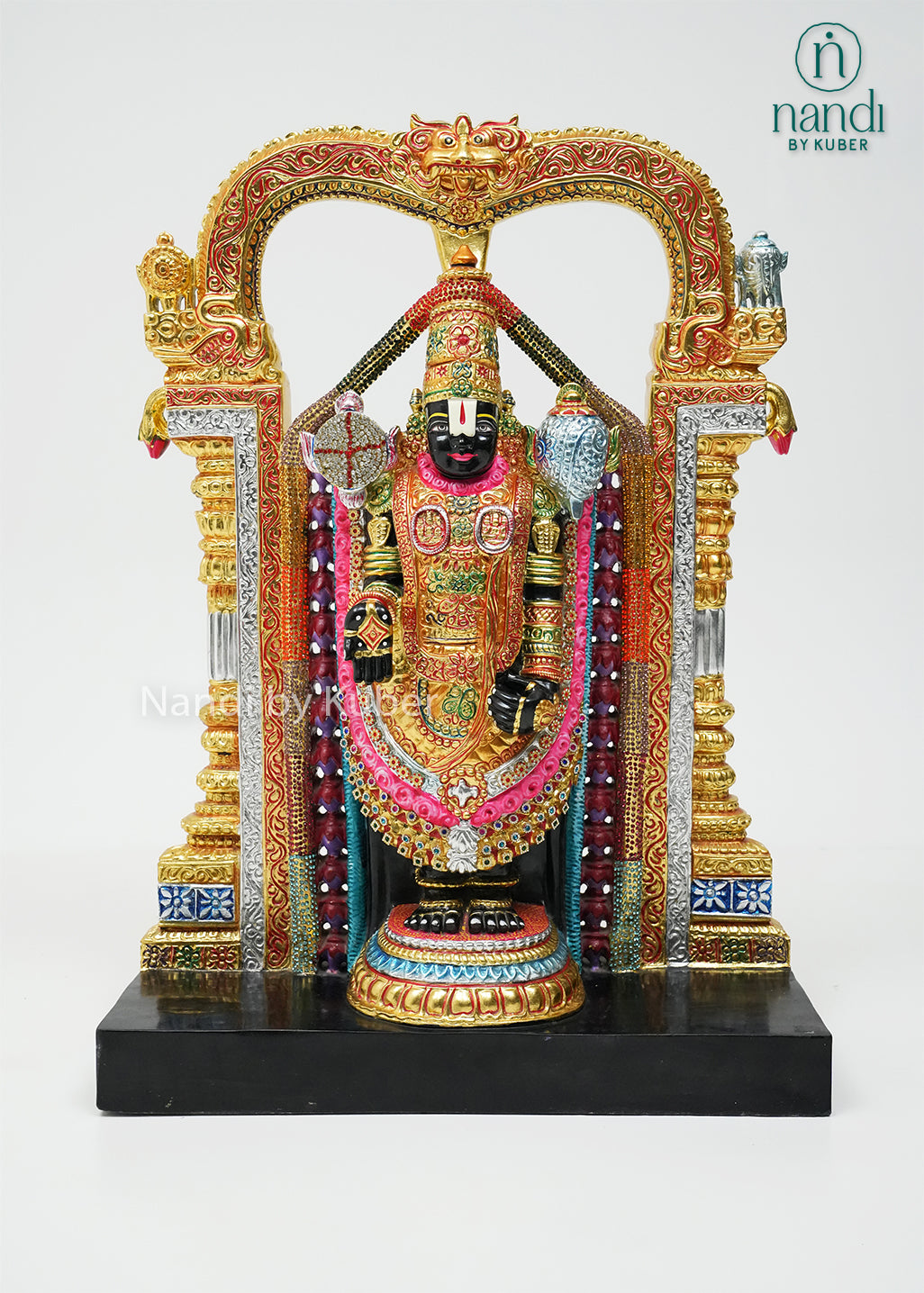
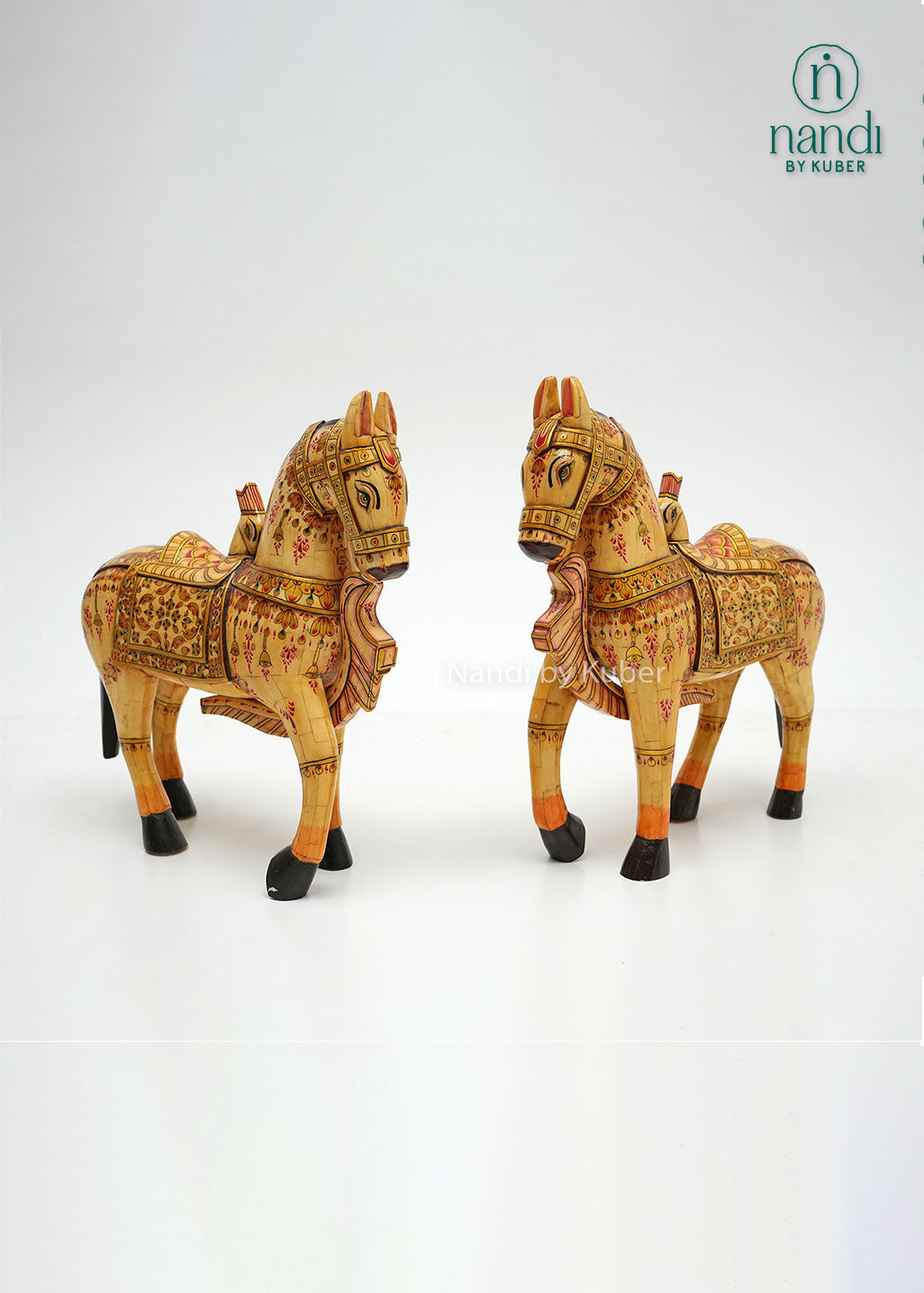
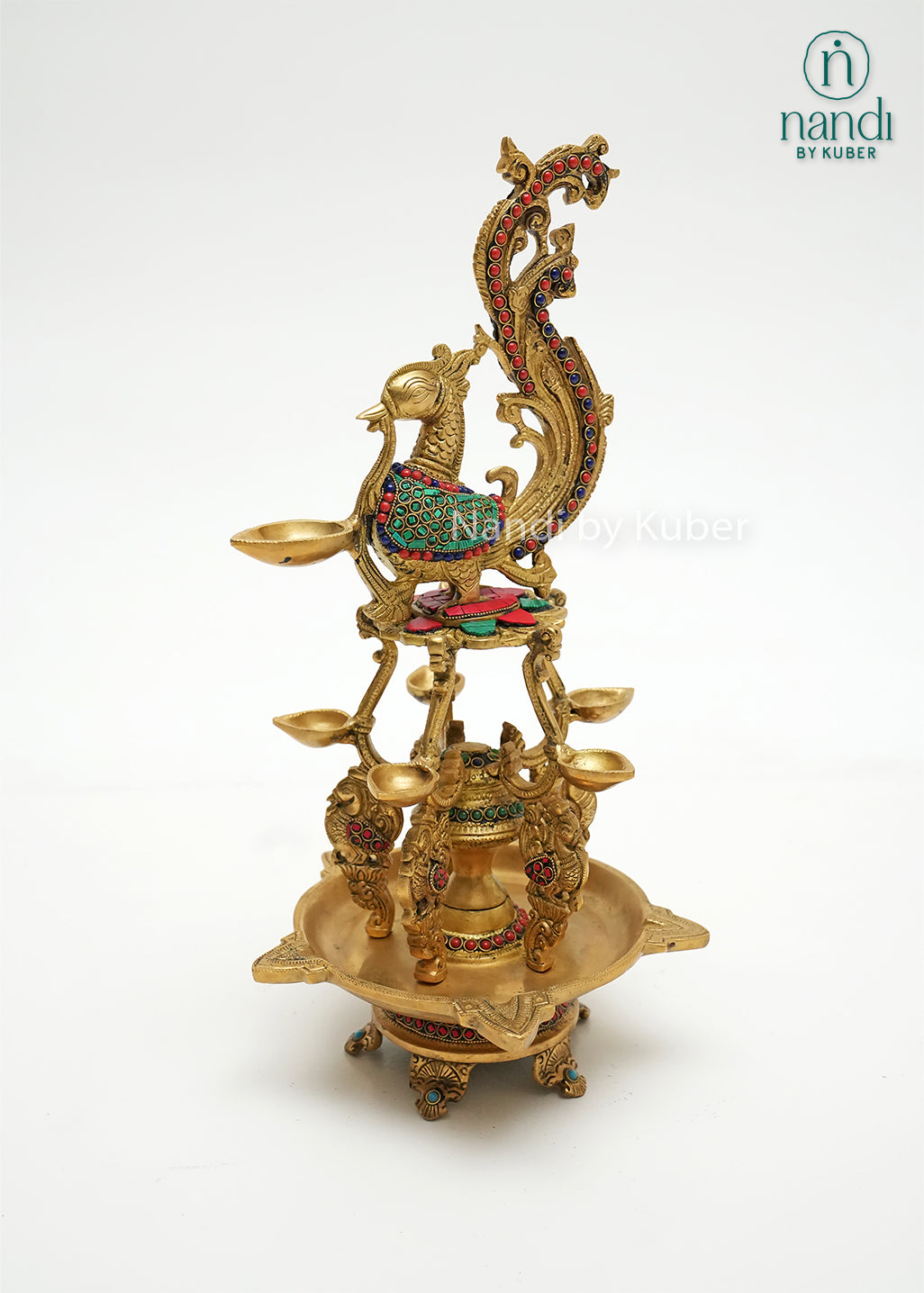
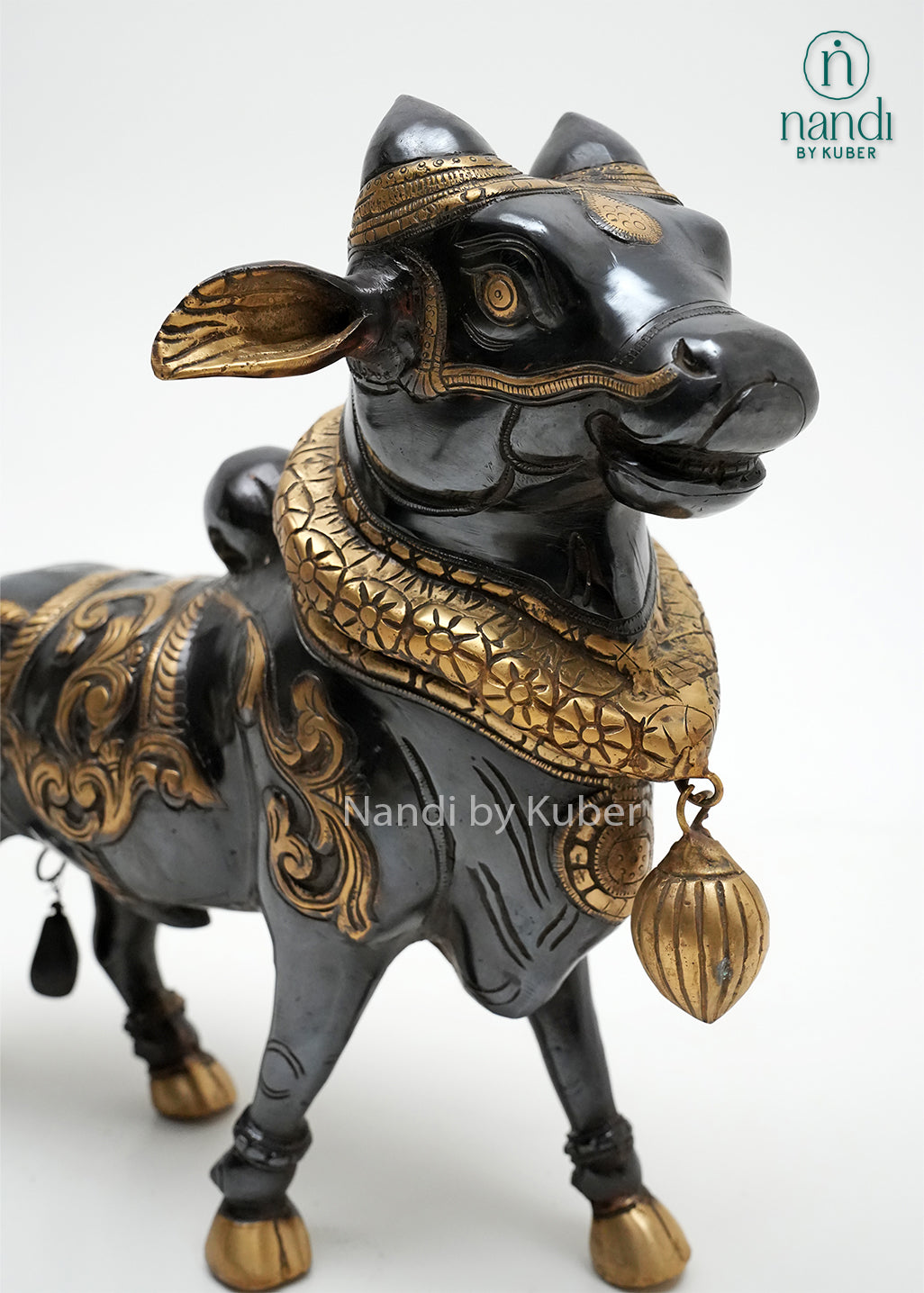


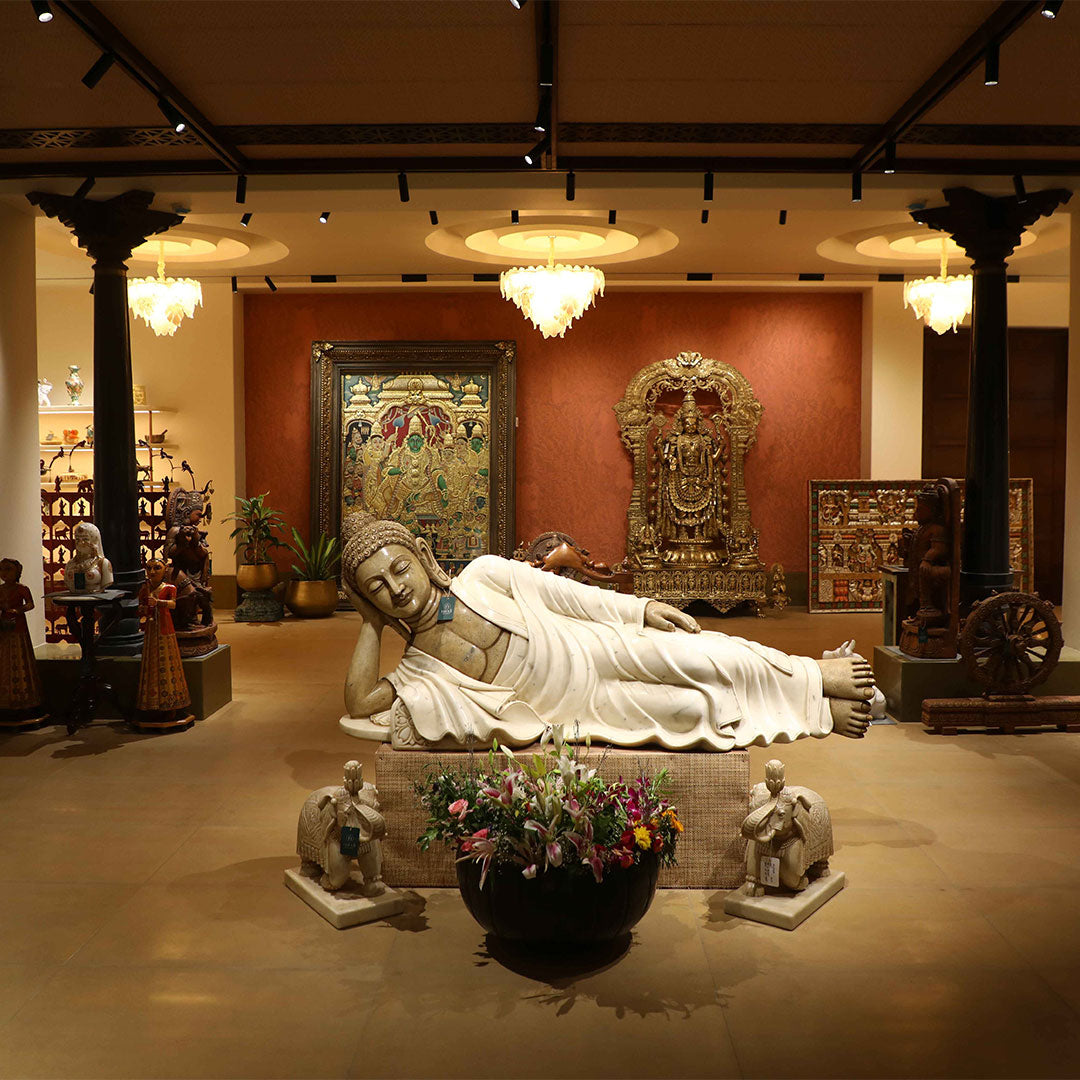
Marble has long been associated with serenity, endurance, and divine beauty. From ancient shrines to modern sanctuaries, this timeless stone has been the preferred medium for sculpting deities and building temples. Its surface captures both light and emotion, turning stillness into presence. In the heart of Rajasthan, especially in Jaipur, artisans continue this legacy with unmatched precision, crafting marble idols that feel alive with spirit and history.
Marble is a metamorphic rock, formed deep within the earth’s crust under immense heat and pressure. Its crystalline texture gives it both strength and a soft, luminous sheen. When touched by a sculptor’s hand, it reveals an ability few other materials possess the power to look eternal, yet intimate to its surroundings.
This unique duality makes marble ideal for divine representation. Its cool surface invites calm, while its subtle translucency mirrors the purity and light often associated with the sacred. That is why temples across India, from Varanasi to Madurai.
In spiritual practice, materials hold energy. Marble is believed to absorb and radiate sattvik qualities that promote clarity, peace, and positive vibration. Its natural whiteness is symbolic of purity and divine truth. Unlike metals or wood, marble does not corrode or decay easily. It retains its dignity through centuries of prayer, smoke, and ritual, embodying endurance both in form and faith.
When a devotee brings home a marble idol, they bring in a substance that balances aesthetics with energy. The idol does not merely decorate; it anchors a space. Whether it is a Marble Hanuman Murti symbolizing protection or a Buddha idol evoking silence and compassion, each carries a subtle charge that harmonizes with the environment around it.


The artisans of Jaipur have shaped marble for generations. Every block begins as a blank promise, chiseled slowly into expression. The process is less about carving and more about revelation. Sculptors often describe the experience as uncovering the deity already hidden within the stone.
Measurements are guided by ancient iconography known as shilpa shastra, ensuring that every proportion aligns with spiritual principles. Even the smallest curve of a lip or tilt of a hand carries meaning.
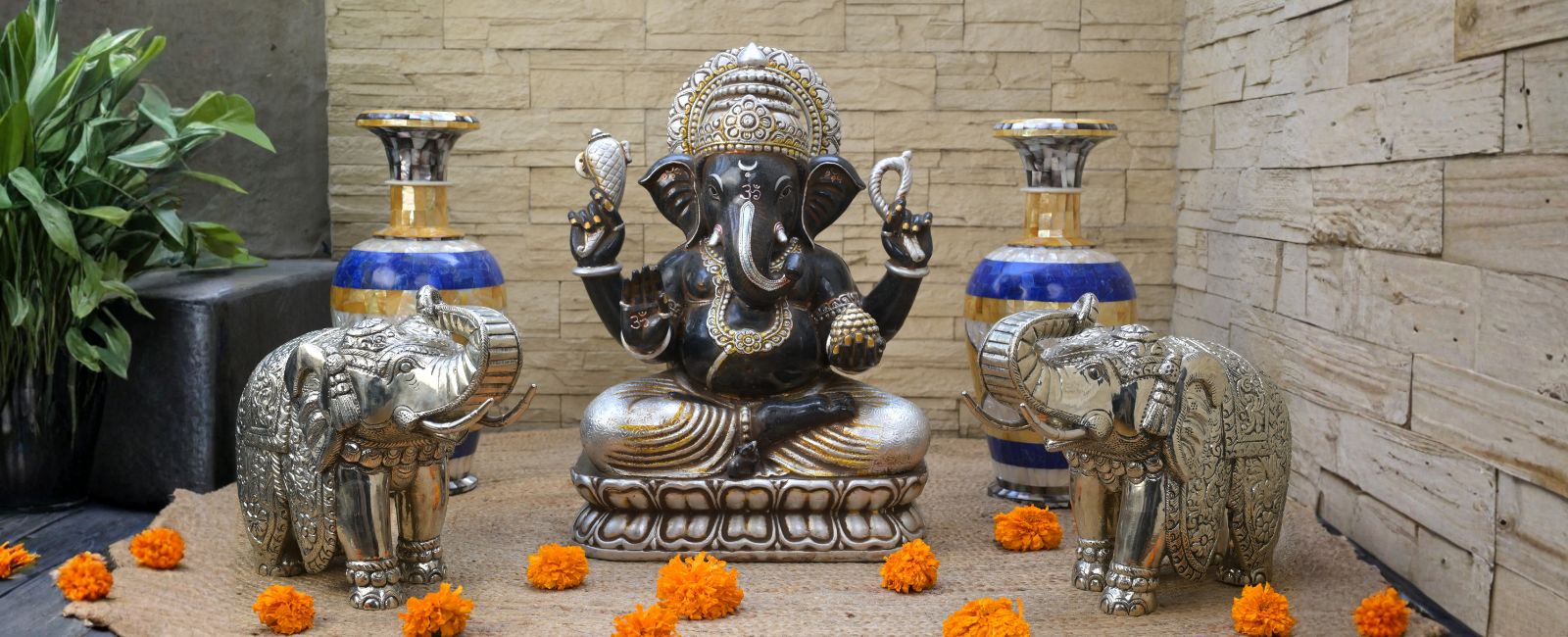
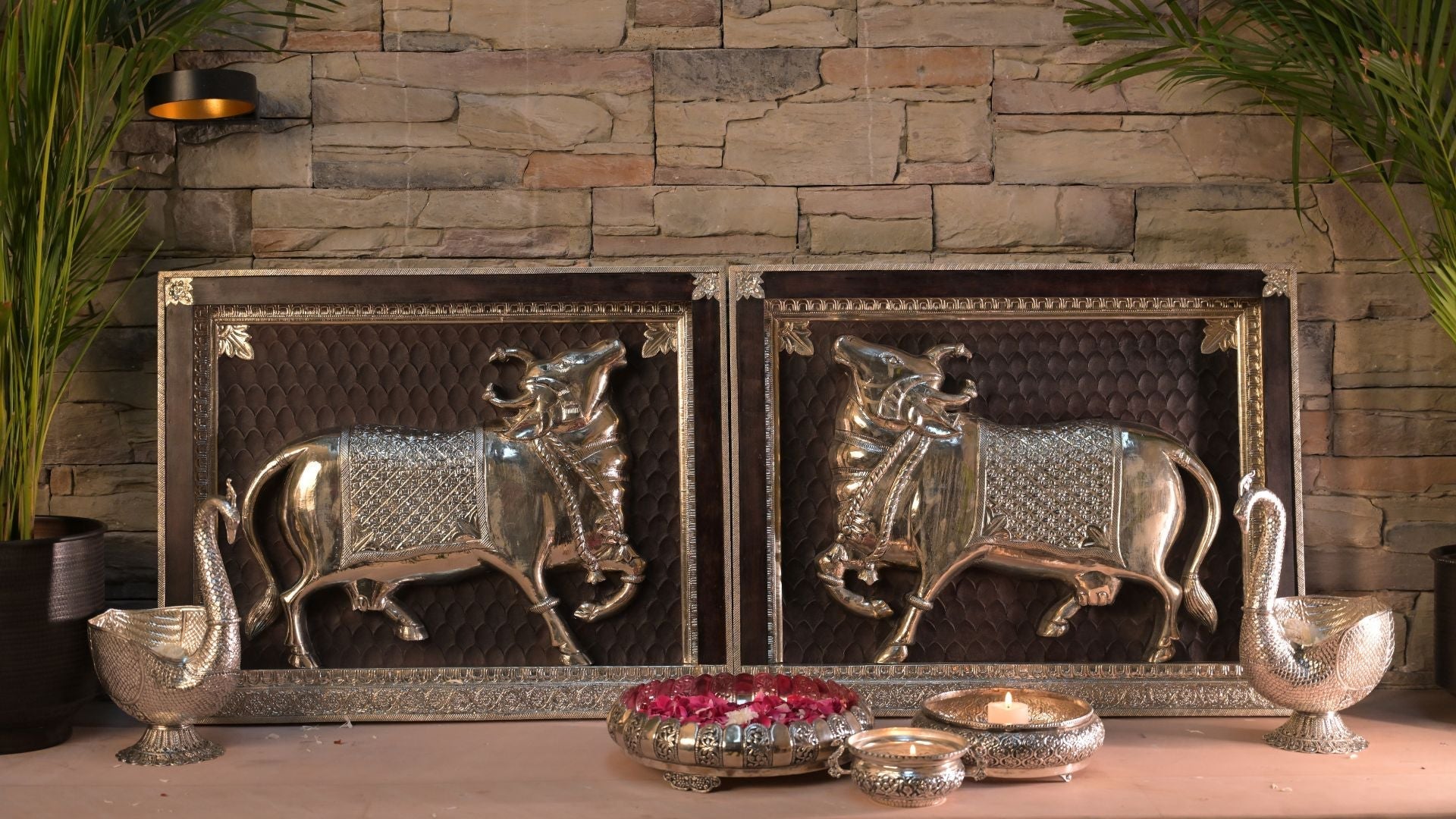
A Marble Ganesh murti, for instance, is crafted with rounded features that symbolize abundance and joy. The trunk’s direction, the number of arms, and the position of the mouse all follow a code that connects the idol’s form to its metaphysical essence. Similarly, a Marble Nandi statue embodies steadfastness through its grounded stance and attentive gaze, representing strength in stillness and unwavering faith.


Temples built with marble possess a distinct energy. The stone’s reflective quality amplifies natural light, creating a luminous interior that feels both vast and intimate. Its thermal balance keeps the sanctum cool even under harsh sun, fostering a tranquil atmosphere for meditation and prayer.
The use of marble also carries symbolic meaning in temple architecture. Its permanence mirrors the eternal nature of the divine. Its smooth surface represents the refinement of the soul through discipline and devotion. And its resistance to erosion stands as a metaphor for spiritual stability amidst worldly change.
This is why even today, marble remains the preferred choice for both grand temple projects and smaller home sanctuaries. A Radha Krishna murti for home temple, carved in pure marble, brings the grace of the eternal pair into domestic space, embodying love, unity, and divine play.
Beyond spiritual significance, marble transforms the energy of a room. Its presence invites balance and calm. Light reflects softly off its surface, creating a subtle radiance that enhances both the idol and its surroundings.
In homes where marble idols are placed with care, one can sense a quiet steadiness. The stone seems to hold sound differently, dampening noise and amplifying stillness. This natural ability to modulate energy makes marble an ideal material for prayer corners, meditation rooms, and personal shrines.


Bringing a marble idol into your home is both an intuitive and intentional act. A few mindful choices can help preserve its energy and beauty over time:
Trust Your Intuition: When visiting a marble idols shop in Jaipur or exploring collections online, let instinct lead. The idol that naturally draws your attention often reflects the energy your home or spirit needs most.
Create a Dedicated Space: Once selected, place the idol on a clean, raised surface. Avoid setting it directly on the floor to maintain sanctity and respect.
Orient with Purpose: Position the idol toward the east or northeast, where morning light can naturally energize the marble and fill the space with warmth and clarity.
Maintain Air and Light: For larger idols or temple installations, ensure proper ventilation and soft, indirect lighting. This helps the marble retain its cool, luminous presence.
Clean with Care: Gently dust the idol with a dry, soft cloth on a regular basis. Occasionally wipe it with clean water to restore its natural brightness.
Avoid Harsh Cleaners: Steer clear of chemicals or acidic agents that can dull or damage the stone’s surface.
In contemporary homes, marble idols bridge tradition and modernity. Their presence complements both minimalist interiors and richly decorated spaces. The contrast between smooth marble and warm wood, or marble and brass, creates visual balance and emotional grounding.
More importantly, marble carries a sense of quiet permanence in an age of constant change. Bringing a Marble Ganesh murti or Radha Krishna murti for home temple into one’s space is not just a decorative choice; it is a decision to invite stillness, continuity, and sanctity into everyday life.
For those seeking authenticity, a murti shop in Jaipur remains the most trusted source. These craftsmen work not in mass production but in tradition, ensuring every curve, symbol, and gesture is created with reverence. They understand that a murti is not an object but a vessel that holds stories, prayers, and divine presence.

At Nandi by Kuber, we transform timeless Indian craftsmanship into soulful masterpieces