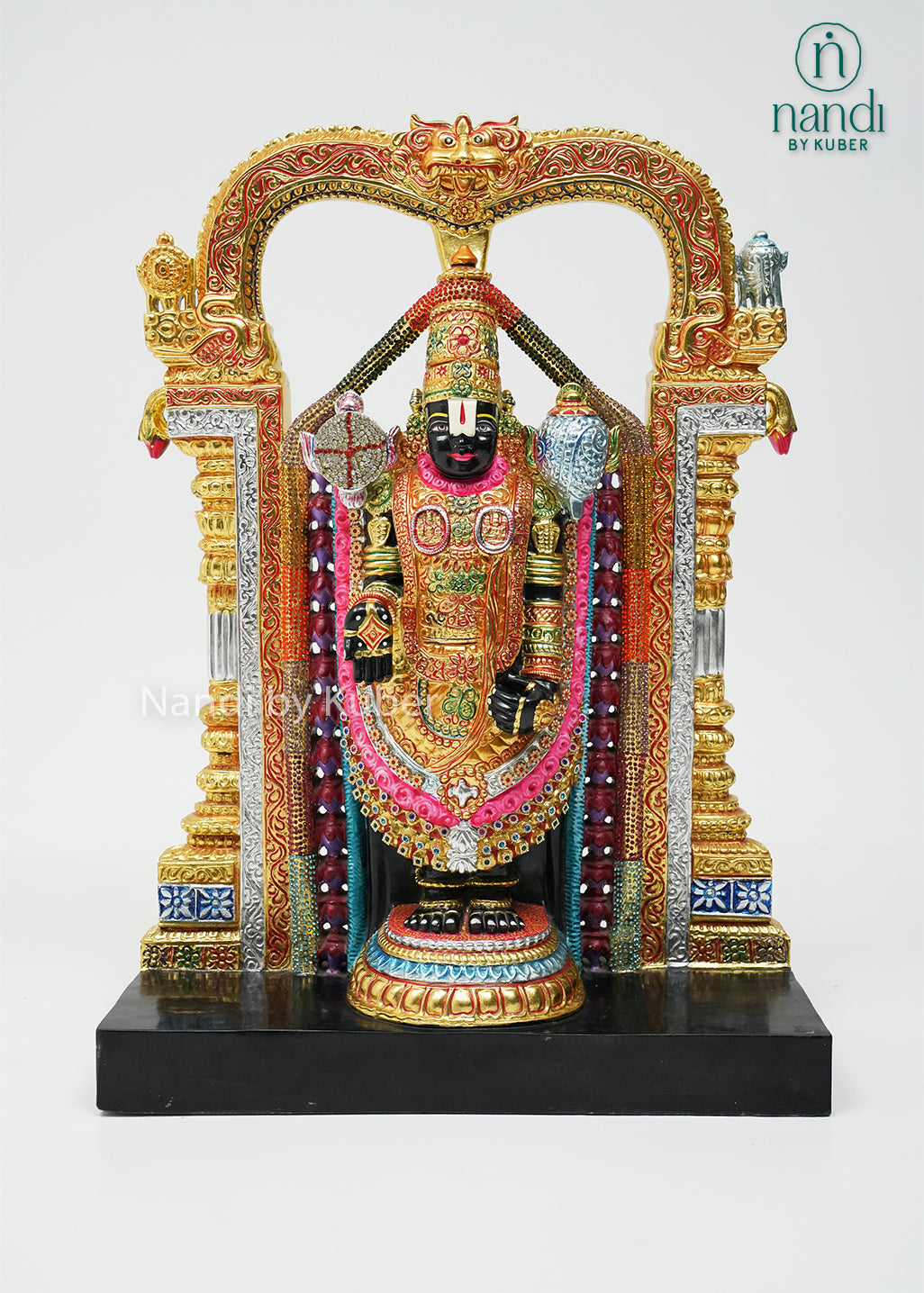
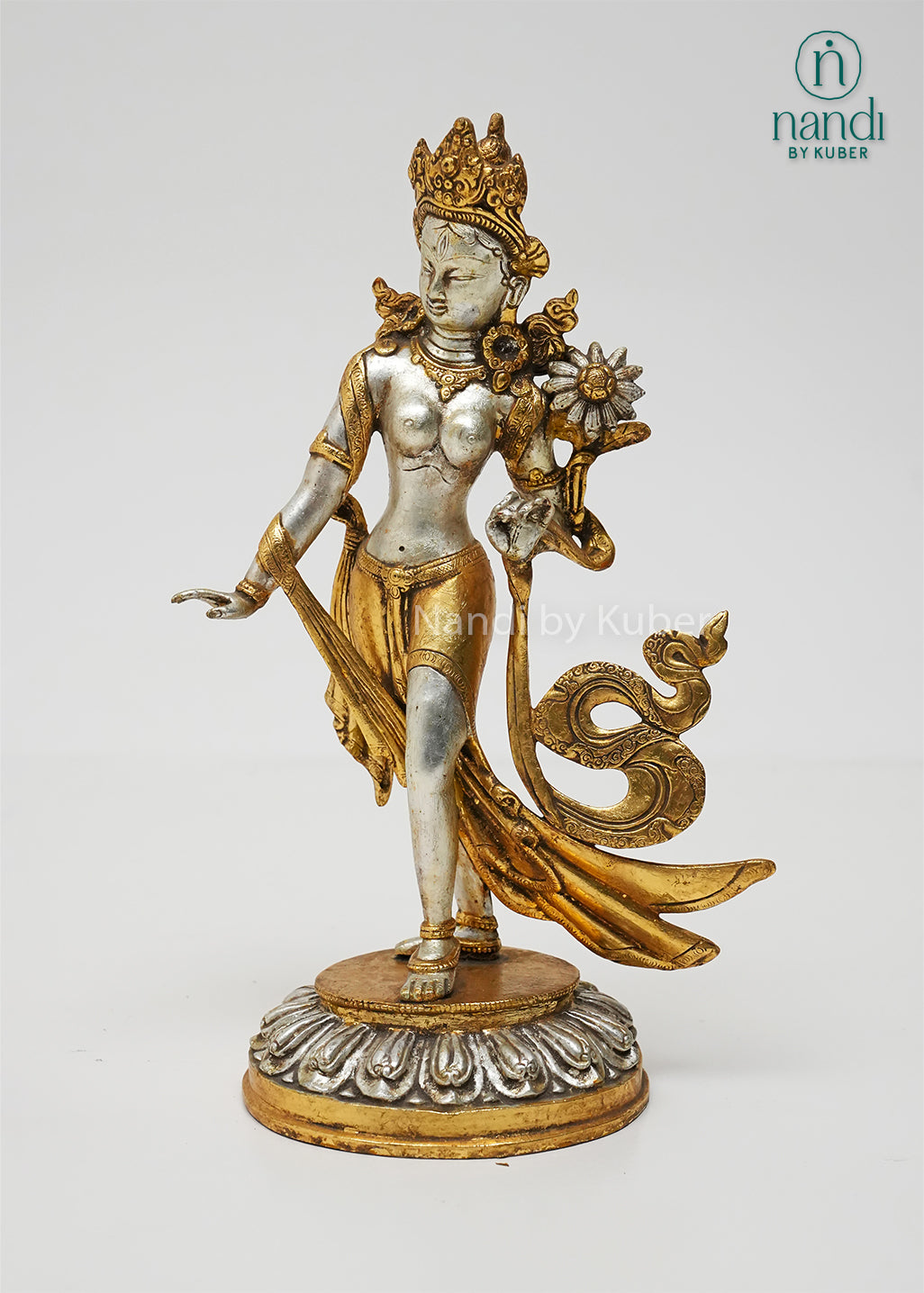
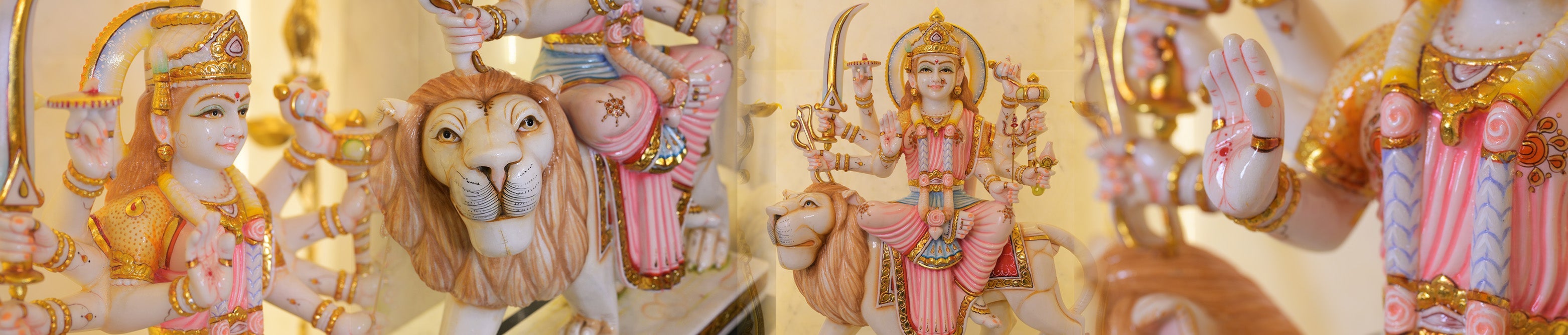
Durga Collection: Traditional Idols Rooted in Strength, Devotion and Craftsmanship
Goddess Durga is among the most revered figures in Hindu tradition, associated with Shakti, courage, strength, and protection. Her image has a long place in Indian homes, temples, and festive gatherings, especially during Navratri and Durga Puja. The Durga collection at Nandi By Kuber brings devotional meaning together with traditional craftsmanship. Buyers usually weigh expression, posture, material, detailing, scale, and placement before choosing a goddess Durga idol. A well-chosen piece often settles into a family's prayer space for decades, becoming part of daily routine rather than occasional décor.
Understanding the Significance of a Durga Maa Murti
In Hindu tradition, Durga is revered as the Mother Goddess who restores balance by defeating destructive forces, most famously the buffalo demon Mahishasura. She represents Shakti, the active energy behind creation and protection. Her strength is closely tied to motherhood: she guards, and she does so with compassion.
Representations vary across regions and texts. A Durga seated on a lion, a standing Mahishasuramardini, and a gentle, composed form each carry a different emphasis. Knowing this symbolism makes choosing a Durga Maa murti far more straightforward.
What Durga's Posture and Expression Represent
Expression sets the tone. A calm, steady gaze suggests composure and authority, while a fiercer look emphasises the battle. Most traditional god idols aim for balance between the two.
Eight or ten arms are common, each holding a weapon or emblem such as the trident, sword, discus, conch or lotus. Texts describe these as gifts from different deities. The lion or tiger stands for courage and mastery over power, while clothing, crown, and jewellery follow regional conventions.
Choosing a Durga Maa Idol for a Home or Prayer Space
Home temples usually suit compact idols with a stable base, since the space is shared with other deities, lamps and offerings. Prayer rooms and festive areas can hold larger figures. Meditation corners and living spaces tend to suit calmer expressions and restrained ornamentation, while offices and reception areas favour smaller, simpler pieces.
Size, proportion, stability, and finish matter alongside visual appeal. A common hesitation is whether a larger idol reflects greater devotion. It rarely does. Fit matters more.
What to Look for When Buying a Durga Idol
A few practical checks help narrow the choice:
- Material: brass, bronze, marble, stone, wood, and resin differ in weight, durability and upkeep.
- Craftsmanship: clean lines and even detailing on hands, weapons and jewellery.
- Face: balanced features and a calm, focused expression.
- Proportion and stability: a base that holds the figure steady.
- Finish: smooth surfaces without rough joins.
- Size: suited to the shelf or platform it will occupy.
Goddess Durga Idol Designs and Traditional Craftsmanship
Craftsmanship decides how a goddess Durga idol is received in a prayer space. Proportions, the modelling of the face, the fingers holding each weapon, the folds of clothing, and the mane of the lion all demand patience. Lost-wax casting for brass and bronze, and hand carving in stone or wood, still set the standard for detail.
Small errors show quickly. A slightly uneven eye or a stiff hand can change the character of the whole figure. Buyers who begin by admiring heavy ornamentation often return to proportion and facial finish as the deciding factors.
When Traditional Craft Meets Contemporary Spaces
A traditional Durga sits comfortably in a modern home when scale and surroundings agree. A brass figure on a plain wooden shelf or a marble piece in a minimal prayer room needs no special styling. Traditional interiors, festive settings and office receptions follow the same logic: harmony first, trends later.
Durga Mata Murti Options for Devotional Spaces and Gifting
Religious festivals, housewarmings, and family gifting account for many purchases, along with personal prayer spaces, cultural collections, and temple-related settings. A Durga Mata murti carries cultural and devotional meaning for the household that receives it, without promises of prosperity or outcomes attached.
Gifts for new homes are often chosen alongside a Ganesh murti, since both figures are commonly placed together in family prayer areas.
Selecting the Right Size, Material and Finish
Available space and the placement surface come first. Purpose follows: daily worship, festival display, or gifting. Material and finish then decide upkeep, since brass needs occasional polishing while marble wipes clean. Ornamentation is a personal call, though simpler surfaces are easier to maintain.
Durga Statue Forms That Reflect Strength and Grace
The familiar image of Durga allows wide artistic interpretation. Some sculptors emphasise movement and the moment of battle. Others favour a still, composed stance.
Expression, posture, proportions, and associated elements change the character of a sculpture considerably. Within the wider tradition of Hindu devotional figures, Durga is often placed near a Lakshmi idol or other family deities, and the contrast in mood, strength beside gentleness, is part of the appeal.
Creating a Meaningful Devotional Space with a Durga Idol
A considered devotional space rarely needs heavy decoration. Home temples, prayer rooms, meditation areas, quiet corners, and traditional interiors all depend on proportion, cleanliness, placement, and visual balance. A clear surface, a lamp, and fresh flowers often say enough.
Why Proportion and Simplicity Matter
An idol that fits its surroundings often feels more natural than an oversized or heavily ornamented one. A modestly detailed Durga on a well-proportioned shelf tends to hold attention longer, and families often keep such pieces through decades of festivals. A large Durga statue crowded among lamps and photographs competes with its own setting.
Finding a Durga Idol That Fits the Space and Purpose
Narrowing the choice begins with purpose and location, then size, material, artistic style, posture, expression, detailing, finish, and upkeep. Surrounding devotional elements matter too. An existing brass lamp or stone base sets a tone the new idol should respect.
The strongest choice is usually the one that feels appropriate for its setting, not the largest or most elaborate Durga statue. Sometimes that is obvious once the idol is placed. Sometimes it takes a festival or two.
The Durga collection at Nandi By Kuber follows this approach, with craftsmanship, proportion, and expression considered together. A Durga Maa idol chosen slowly tends to remain in daily use.