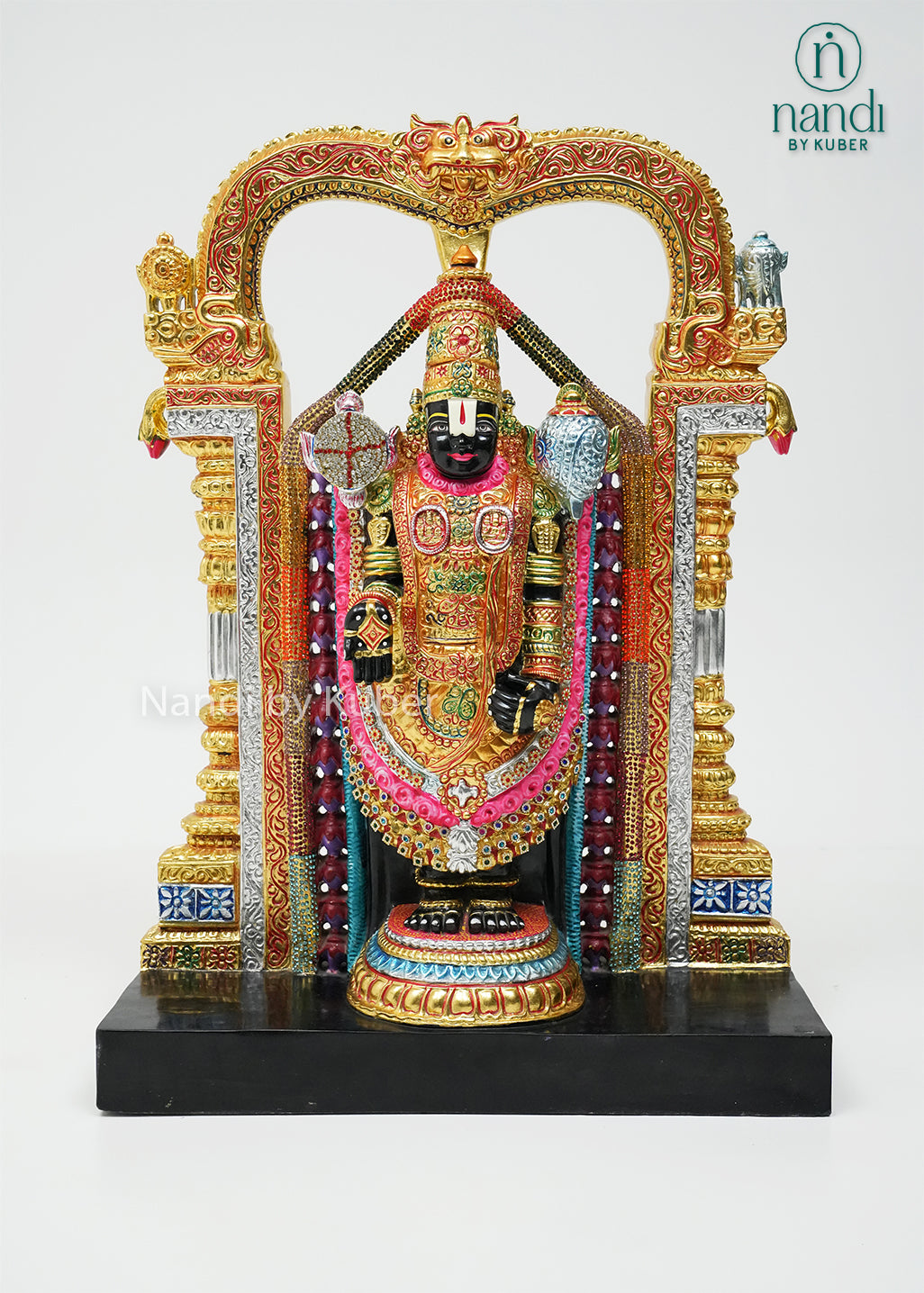
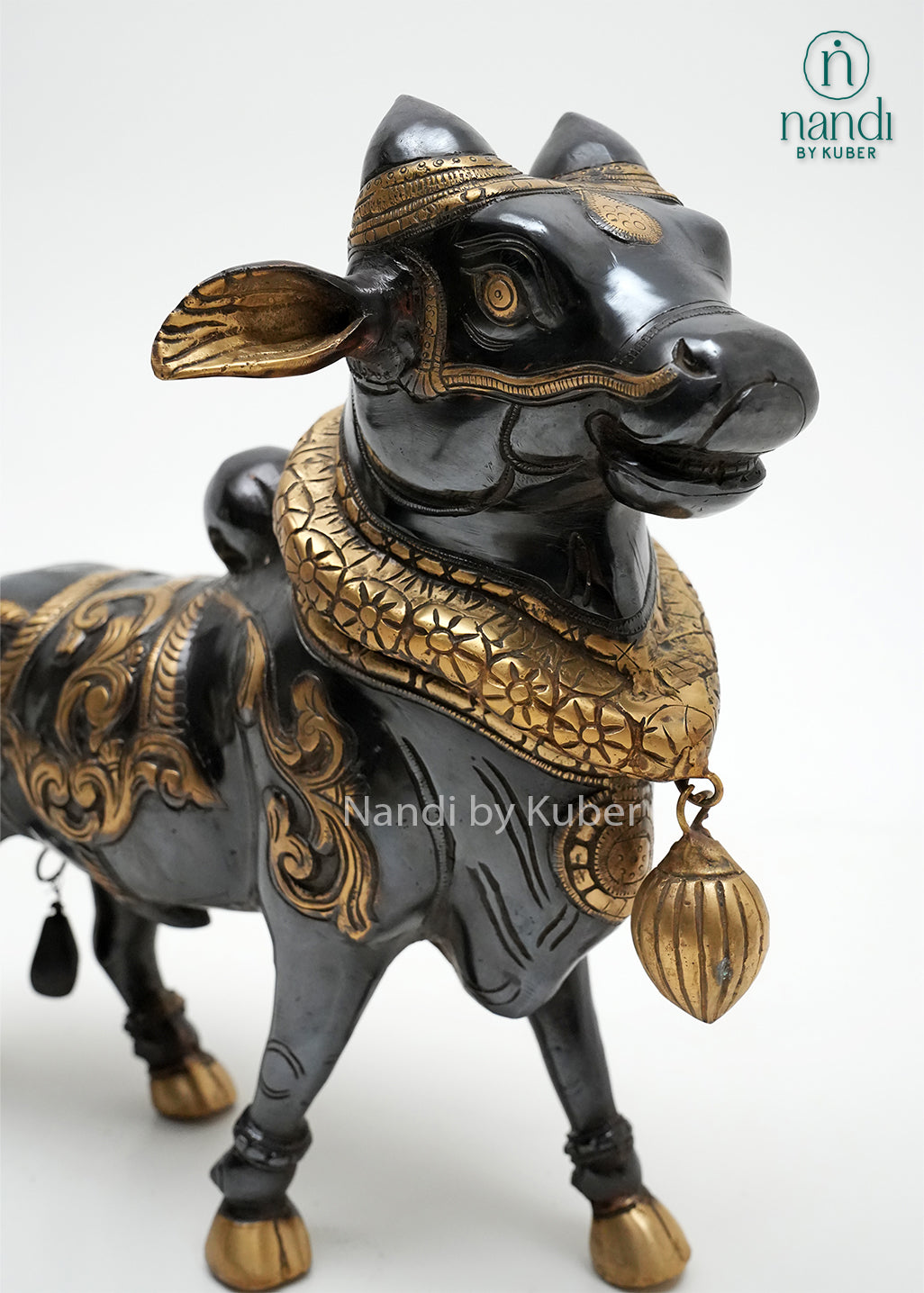
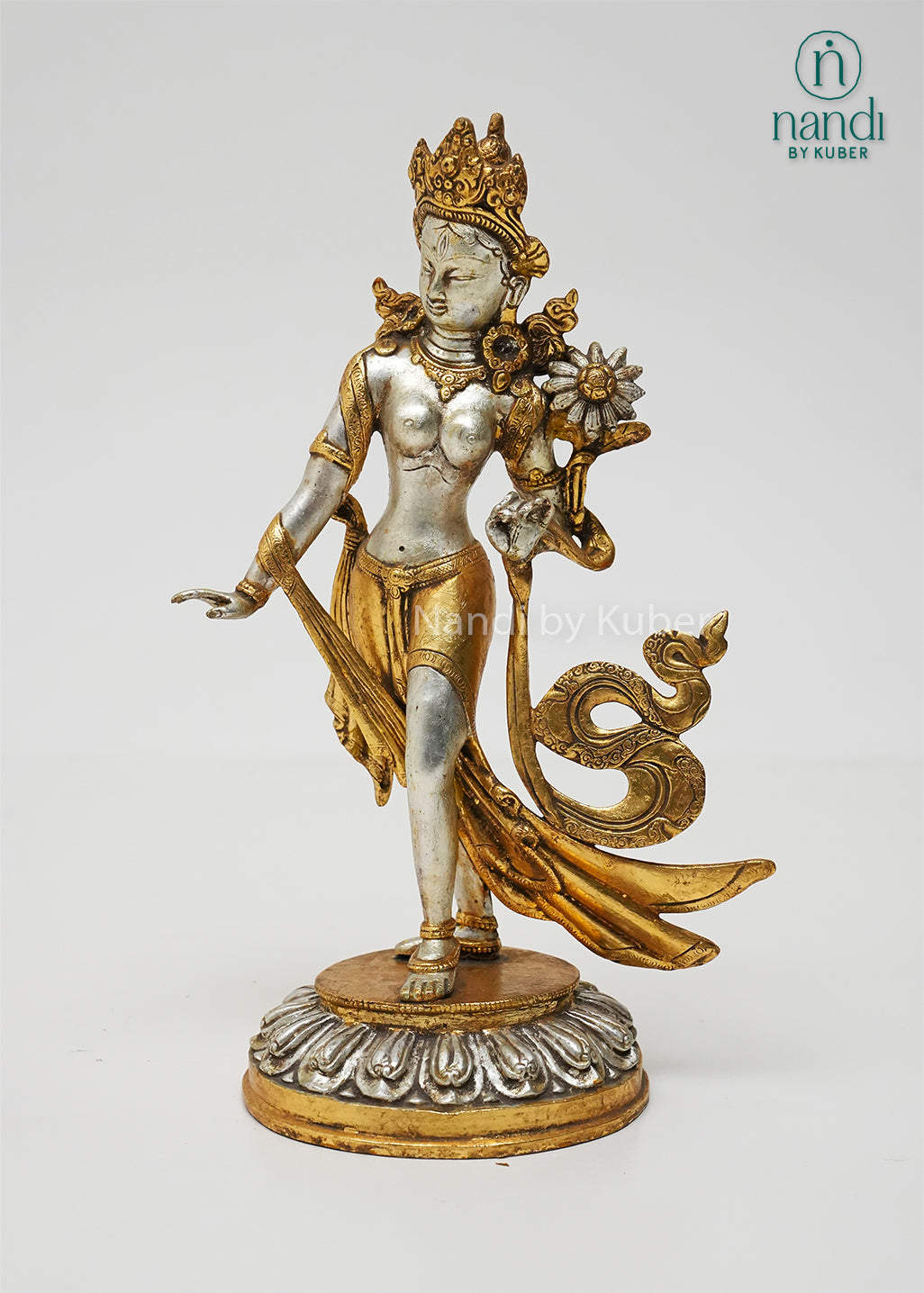
Shop Mahadev Statue from the Shiva Collection
Lord Shiva holds a central place in Hindu tradition, associated with meditation, transformation, strength, stillness, and balance. Across Indian homes, temples, and prayer spaces, representations of Shiva often carry both devotional meaning and artistic value.
A thoughtfully made god Shiva statue brings these qualities into a physical form through posture, expression, symbols, proportion, and material. Nandi by Kuber’s Shiva Collection brings together traditional forms with careful attention to craftsmanship, helping readers consider what makes an idol appropriate for a particular setting. A common observation in Indian homes is that a modest devotional idol can remain part of a prayer space for many years, becoming familiar through everyday use rather than decoration alone.
Understanding the Significance of a God Shiva Statue
Shiva appears in many forms across Hindu art and tradition. Some representations emphasize meditation and composure, while others communicate movement, strength, or transformation. A god shiva statue therefore carries a visual character shaped by its particular form.
Understanding these differences helps distinguish an idol selected for a quiet prayer room from one intended for a broader living or cultural space. The symbolism matters, but so do proportion, expression, and the quality of the sculptural work.
What the Form and Posture Represent
Posture influences how a Shiva idol is perceived. A seated meditative form generally creates a calm visual presence, while standing or dynamic representations have a stronger sense of movement.
Hand gestures, facial expression, matted hair, trident, crescent moon, serpent, and other traditional attributes contribute to the identity of the form. A shiv murti with balanced proportions and a composed expression often feels visually settled, even when surrounded by contemporary furnishings.
Choosing a Shiv Murti for a Home or Prayer Space
A shiv parivar murti can suit a home temple, prayer room, meditation corner, living area, or office when its size and character correspond with the setting. Prayer spaces generally benefit from forms that remain visually composed, while larger rooms may accommodate more sculptural representations.
Gifting also brings another consideration. A Shiva idol may be selected for a housewarming, religious occasion, festival, family gathering, or personal devotional collection. The decision often comes down to purpose first, then material, size, posture, and finish.
What to Look for When Buying a Shiva Idol
When buying a lord shiva idol, practical details deserve attention alongside appearance:
- Material: Consider durability, maintenance, weight, and the character of the material.
- Proportion: The head, torso, limbs, ornaments, and accompanying symbols should appear balanced.
- Facial detailing: Expression and symmetry strongly influence the overall presence of the sculpture.
- Stability: A well-balanced base is important, particularly for larger god idols.
- Finish: Surface treatment should complement the material without obscuring sculptural details.
- Size: The idol should have enough surrounding space to remain visually clear.
A common buyer hesitation is choosing between a larger, elaborate piece and a smaller, more restrained form. Often, the better decision is the one that fits the intended space naturally.
Lord Shiva Statue Designs Rooted in Indian Craftsmanship
A well-made lord shiva statue depends on more than surface ornamentation. Traditional sculptural work gives attention to anatomy, posture, facial proportions, gestures, attributes, and the relationship between individual elements.
Handcrafted detailing can also create small variations that distinguish one piece from another. Surface finishing, edge definition, ornamentation, and expression reveal the skill behind the work. These details become especially noticeable when an idol is viewed closely in a prayer room or collection.
When Traditional Craft Meets Contemporary Interiors
Traditional Shiva representations can work within contemporary homes when their scale and visual weight are considered carefully. A restrained lord shiva statue may sit naturally within a minimalist interior, while a more detailed form can complement traditional Indian décor.
And the setting does not need to imitate a temple. A thoughtfully positioned idol can belong within a modern prayer room, meditation area, or office while retaining its traditional identity.
Lord Shiva Idol Options for Gifting and Devotional Spaces
A lord shiva idol can hold cultural and personal significance when chosen for gifting or devotional use. Housewarming gifts, festive occasions, family collections, and personal prayer spaces each call for slightly different considerations.
For gifting, a broadly recognizable Shiva form with balanced proportions is often easier to place. For personal devotional spaces, posture and visual character may carry greater importance.
Selecting the Right Size, Material and Finish
Size should correspond with the available surface and surrounding objects. Material affects weight, maintenance, texture, and appearance, while finish determines how clearly sculptural details remain visible.
A carefully selected shiv murti should feel appropriate to its purpose, with enough visual space around it for the form to remain distinct. But an elaborate finish does not automatically make an idol more suitable.
Mahadev Statue Designs That Reflect Strength and Stillness
The name Mahadev is widely familiar in Hindu devotional culture. Representations of Shiva often bring together qualities that may seem contrasting at first: strength with composure, movement with stillness, and powerful symbolism with a meditative expression.
A mahadev statue can therefore function as a devotional object as well as a carefully considered piece of Indian sculpture. The wider tradition includes complementary figures such as a statue of Nandi, Hanuman murti, and a Ganesha statue, each carrying its own distinct iconography and cultural context.
Building a Meaningful Devotional Space
A Shiva idol can form part of a home temple god idol, prayer room, meditation area, or quiet corner without requiring excessive decoration. Clean surroundings, suitable proportions, considered placement, and visual balance often create a more composed devotional setting.
Why Simplicity Often Works Best
Restrained surroundings allow the form of the idol to remain clear. A simple setting can also make facial expression, posture, and craftsmanship easier to appreciate.
This does not mean every devotional space needs to be minimal. The important point is coherence: the idol, furniture, lighting, and surrounding objects should feel visually compatible rather than competing for attention.
Finding a Shiva Idol That Fits the Space and Purpose
Selecting a mahadev statue becomes easier when the decision begins with its intended purpose. Location, size, material, artistic style, posture, level of detailing, and relationship with surrounding décor all influence suitability.
The strongest choice is often the idol that feels appropriate for its setting rather than the most elaborate design. For homes, prayer rooms, offices, gifting, and cultural collections, the Shiva Collection at Nandi By Kuber brings together forms where devotional significance and traditional craftsmanship can be considered side by side.