Cart
0
You may also like


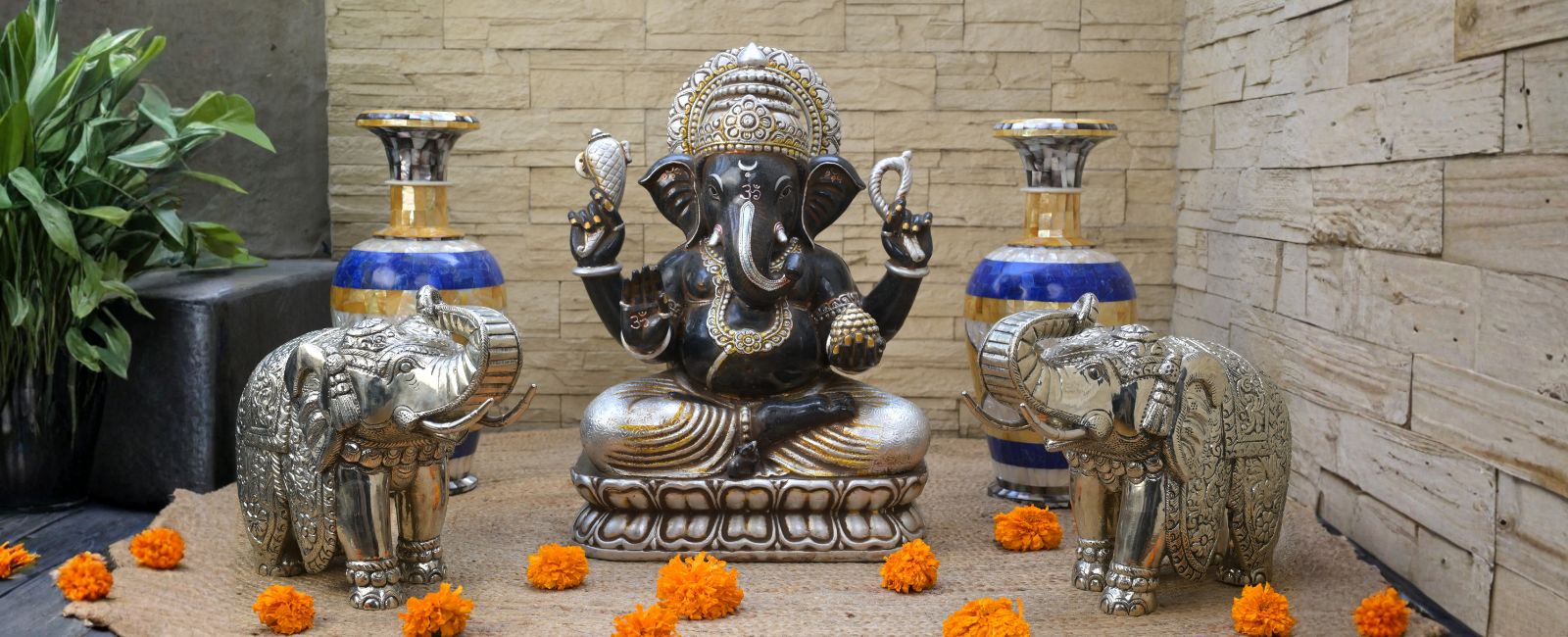
There is something deeply personal about choosing a Ganesha idol. It isn't a transaction, it's a beginning. Before a new home, a new chapter, a new dream, we turn to Ganesha first. And yet, most people make this choice in a hurry: a quick search for a ganesh statue online, a glance at the options, and a click. This guide exists to slow that moment down. Because when you choose a brass ganesh murti or any idol with awareness, what you bring home carries meaning that lasts well beyond the occasion.
Every murti holds a frequency or at least, that's how India's craft tradition has always understood it. A hand-finished idol is not the same as a mould-poured figurine. The material matters. The posture carries symbolism. The scale speaks to your space.
Choosing intentionally means your Ganesha becomes a presence in your home, not just an object on a shelf. It anchors your altar, quiets a room, and becomes something your children will notice and remember. 

Material is where craftsmanship begins and where quality is most often compromised.
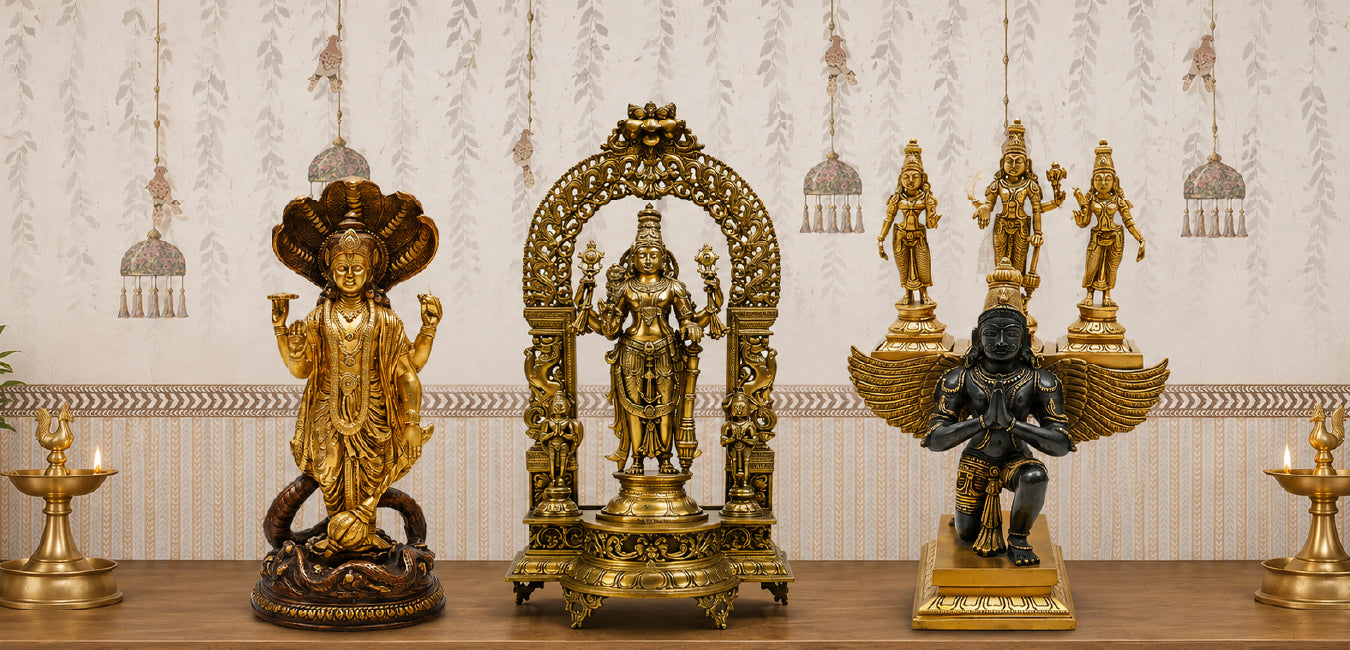
Brass: Warm, weighty, and deeply auspicious. Brass has been the traditional choice for puja idols for centuries. It is believed to conduct positive energy, resists corrosion, and develops a beautiful patina with age. For daily worship, brass is unmatched.
Marble: Cool and luminous. Best suited to homes with a clean, contemporary aesthetic. White marble Ganeshas pair beautifully with minimal sacred spaces.
If you're investing in one idol for your home altar, brass or Panchaloha will serve you best spiritually and aesthetically.
Ganesha has over 32 classical forms. For home use, a few are especially meaningful:
Sitting Ganesha (Lalitasana): Relaxed, grounded, one leg folded. Symbolises stability, prosperity, and domestic harmony. The most common choice for home altars.
Standing Ganesha: Upright and active. Associated with movement, new beginnings, and protection at thresholds. Ideal for entrances.
Dancing Ganesha (Nritya Ganapati): Full of joy and creative energy. A wonderful choice for studios, creative spaces, or children's rooms.
Trunk direction: A left-curving trunk is considered ideal for households easy to maintain and broadly auspicious. A right-curving trunk (Siddhi Vinayaka) is more powerful but requires strict ritual protocols.
When choosing, trust your intuition. The idol that holds your gaze the longest is usually the right one.


Placement is not superstition, it's spatial intention. A few well-observed principles:
Northeast corner (Ishan): The most sacred zone in Vastu Shastra. Best for a dedicated puja room or home altar.
Main entrance: A Ganesha at the door is a blessing for everyone who enters. Place him at eye level, facing inward never toward the street.
Living room: East or northeast wall, elevated on a wooden or marble surface. Avoid placing it on the floor or beside the television.
Office desk: A small sitting Ganesha on the upper-right of your workspace invites focus and removes creative blocks.
Avoid: South-facing walls, bathrooms, bedrooms (unless you have a dedicated prayer corner), and directly on the ground.
Size is about proportion, not prestige. Bigger is not more auspicious, better-fit is.
3–6 inches: Compact and intimate. Perfect for desks, travel altars, or gifting. A thoughtful size that suits any home.
7–12 inches: The ideal range for most home altars and living room displays. Commanding presence without dominating a space.
12 inches and above: Reserved for dedicated puja rooms, large homes, or a deliberate statement piece in an open living area.
A useful rule: the idol should have breathing space around it. If it feels crowded, it will feel diminished.


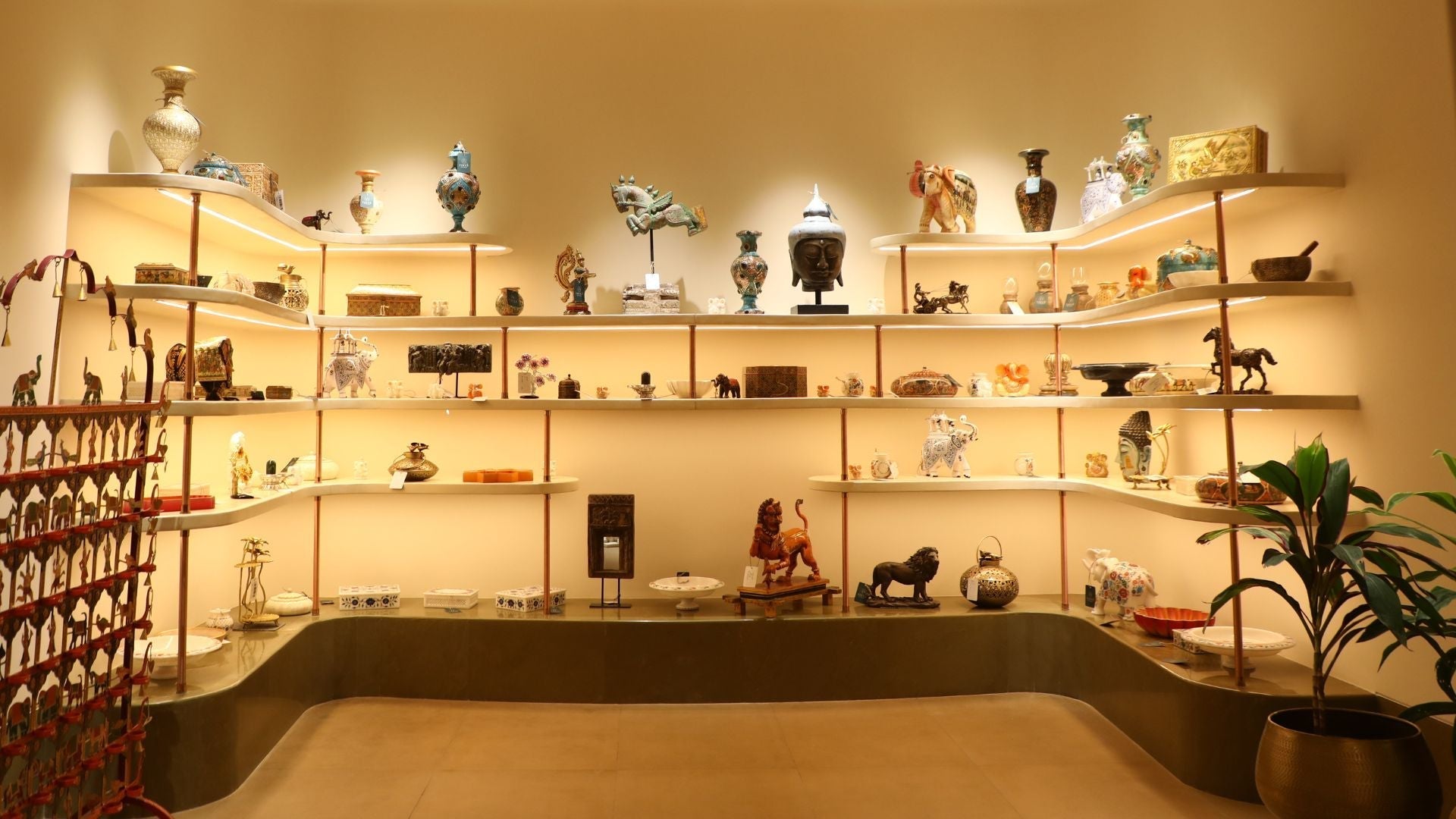
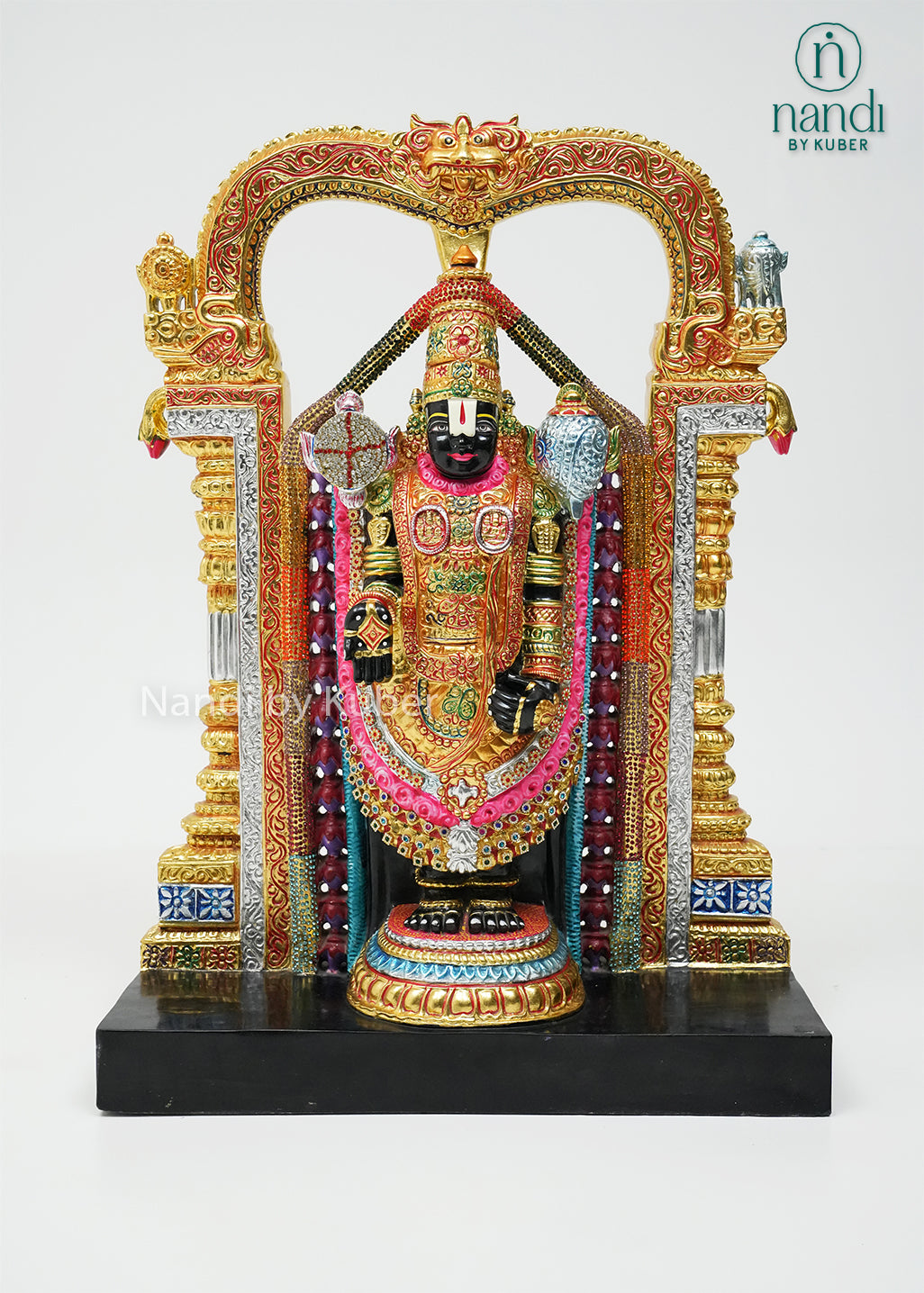
For those who take craftsmanship seriously, Nandi by Kuber is a name worth knowing. Based in Jaipur, India's most celebrated murti manufacturer in Jaipur hub they bring together generations of metal craft expertise with devotional intent. Their collection is built for homes that value artistry alongside tradition. Here are a few pieces worth considering:
Brass Sitting Ganesha Idol Hand-finished in warm antique brass, left-trunk seated posture. Medium size is the ideal altar piece for any Indian home.
Antique Finish Ganpati Murti Richly textured with aged detailing. Feels like an heirloom the day you bring it home. An exceptional gifting choice.
Handcrafted Blessing Ganesha Statue Standing posture with Abhaya mudra (the blessing hand). Clean sculptural lines with traditional intent works beautifully in modern interiors.
Nritya (Dancing) Ganesha in Brass Joyful and kinetic. A celebration piece that brings warmth to creative spaces and living rooms.
Compact Puja Ganesha Set A small idol paired with a miniature diya holder and incense stand. Thoughtfully assembled for gifting or for starting a first altar.
Each piece reflects the maker's hand, not a factory floor.
The right Ganesha idol is not the most expensive one on the page. It is the one that feels like it was waiting for you. Before you search for a ganesh statue online or select a brass ganesh murti from the nearest store, take a moment. Think about the space it will inhabit. Think about the mornings you will spend near it. Think about who might receive it as a gift and what it will say without words.

At Nandi by Kuber, we transform timeless Indian craftsmanship into soulful masterpieces